

Heard Around The Grove
Blake Newcomer • April 27, 2026
Welcome to class. Today's lesson is how to bring algae to market. Our professor is Martin Gross. If you weren't thinking about how to commercialize algae before today, now's your chance.
Strap in!
In this week's issue
- Lab to Market: How a PhD project becomes a commercial wastewater treatment company
Was this email forwarded to you? Subscribe here!
Featured Theme: Lab to Market
The U.S. has approximately 15,000 wastewater treatment plants, many of which consume between 3% and 4% of total national electricity demand. Aging infrastructure and tightening nutrient regulations create a massive market need. The gap between a working prototype and a permitted, revenue-generating installation remains wide.
Martin did not set out to start a company, the company found him. A combination of a lost job, a timely grant, and a wastewater district in Chicago pulled him into an entirely new career. His story illustrates the sheer amount of time, regulatory patience, and market discovery that separates a breakthrough technology from a viable business.
Lose a job to gain a career
Just months before completing his PhD at Iowa State University, the ethanol industry position he had lined up evaporated. The very next day, he and his professor won a USDA Small Business Innovation Research (SBIR) grant.
That grant became the seed for GWT, incorporated in early 2017.
GWT's trajectory is a textbook case: federal grant validation led to an accelerator (Iowa State's Startup Factory), which led to the company's first angel investors.
Biofuels to Wastewater
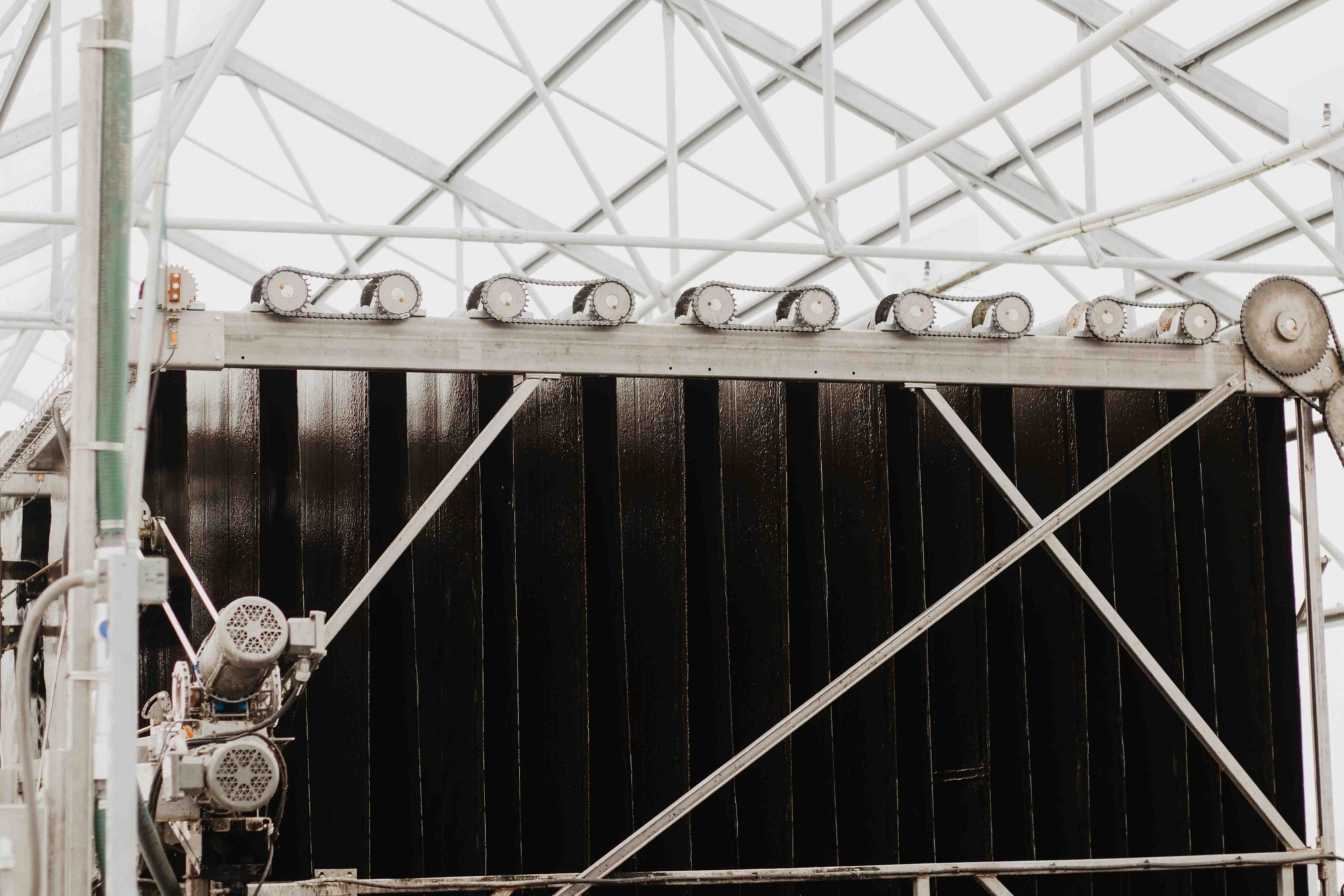
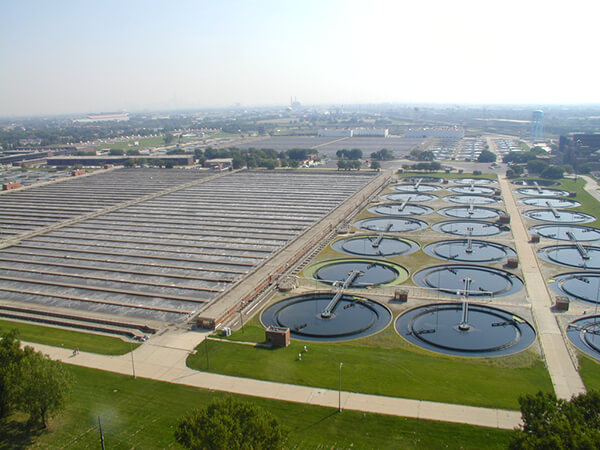
GWT's core technology is the Revolving Algal Biofilm (RAB) system. The original purpose was for algae-to-biofuels, but the economics did not work. The pivot came when the Metropolitan Water Reclamation District of Greater Chicago (MWRD), one of the largest treatment districts in the world, attended an Algae Biomass Summit looking for phosphorus recovery solutions.
That pilot was the proof point that algae could treat wastewater effectively.
Now the critical strategic question became: which market segment was the best fit?
If you're currently building in this space, I bet you're thinking "well that's nice they got their first pilot handed to them by one of the most desirable partners in the world". You're right, they did. To be fair, executing on the first pilot (regardless of how you landed it) is a massively difficult task. Second maybe only to selling it in the first place. Future content will cover this in depth.
Commercialization: Years of Piloting and Regulatory Rigor
After the Chicago pilot validated the science, GWT spent roughly two to three years piloting in their target beachhead market of small Midwestern communities with aerated lagoon systems.
Iowa's rigorous regulatory process forced GWT to develop deep modeling and sizing capabilities for what was, at the time, a system with no precedent in the world. As Martin puts it: "No one ever in the world has ever done a system like ours. If you compare it to an activated sludge wastewater treatment system, thousands of researchers have developed and optimized that process over a hundred-plus years. They know everything about it. For us, it's a brand new concept technology."
Today GWT has about 30 employees, approximately $7M in revenue, is approaching profitability, has completed multiple commercial installations, and has conducted roughly 40 pilot projects around the world. They recently raised a Series B.
for more on Martin's story, check out our conversation
Key Frameworks for Lab-to-Market Founders
Martin's journey yields several actionable patterns for anyone attempting to commercialize deep tech:
The Beachhead Discovery Process. GWT did identified their ideal market through internal analysis & conversations with consulting engineers. These intermediaries actually designed the treatment solutions for municipalities and could give specific advice.
Market discovery in regulated industries often comes through the professional network that influences purchasing decisions, not from the end customer directly.
The Regulatory Advantage. While Iowa's strict approval process felt like an obstacle, it became a competitive asset. The deep data and modeling GWT was forced to develop gave them credibility that now transfers to every new state and country they enter. Hard regulatory environments build defensible expertise.
Resources
Wastewater Innovation and Clean Tech Entrepreneurship
- Gross-Wen Technologies GWT's website with details on the RAB system and commercial installations
- SBIR/STTR Programs Recently reauthorized through 2031; the nation's largest source of non-dilutive early-stage funding for technical founders
- Iowa State Startup Factory The accelerator that helped Martin transition from researcher to entrepreneur
- Algae Biomass Organization Industry organization for algae technology professionals and companies
- The Water Council Water technology hub offering resources, connections, and industry insights
Feedback
Have any thoughts about what you'd like to see? Let's build together
Roundtables
Curated, pitch-free roundtables that spark real collaboration between and your prospects. GTM solution for long and complex sales cycles.
Cohort-based event series
Small groups (10-15 people) + industry expert speakers + 4-5 targeted sessions = accelerated career development. Want to participate or present? Reply to this email.
Podcast Guests
Would you or anyone you know like to be a guest on The Grove? Reply to this email to get the conversation started.
With love, Blake
See you next week!
Member discussion: