

Groooooooove,
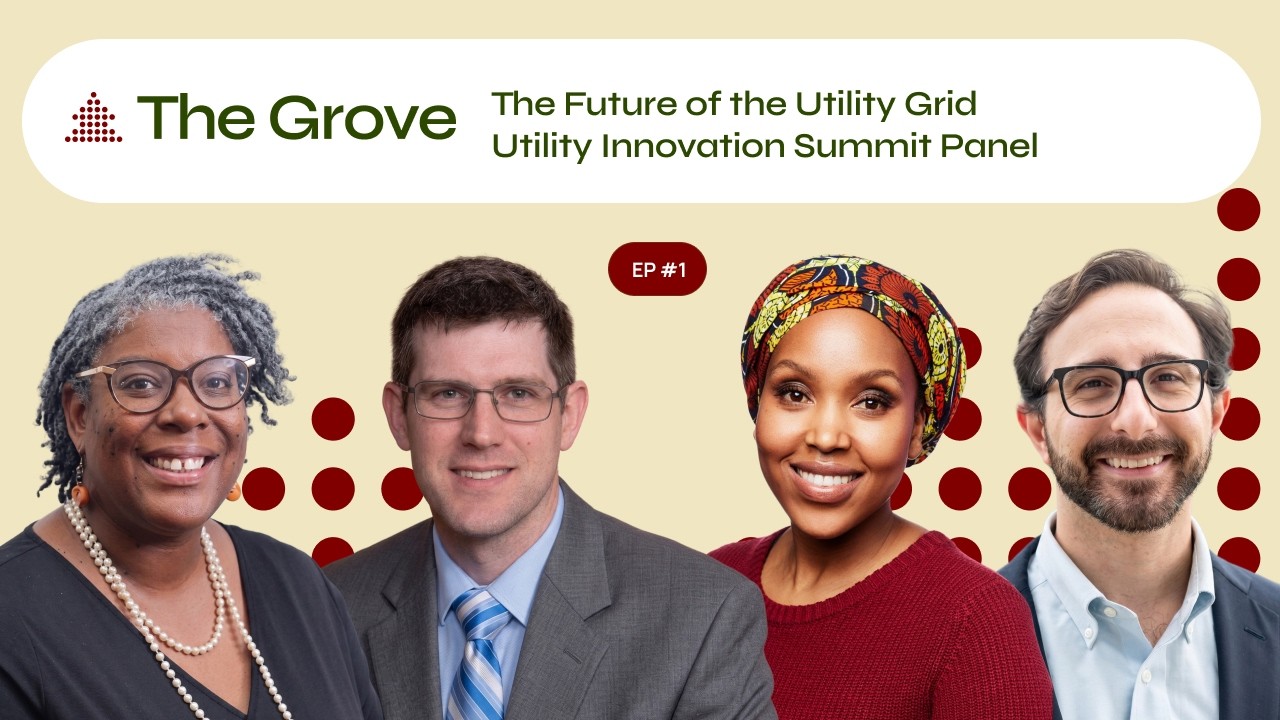
Back in July, we brought some BIG HITTERS together at the Utility Innovation Summit in Philly.
- Eric Rosenberger Principal Engineer for PPL Electric Utilities
- Nneile Nkholise Foundr of Thola Energy
- Kris Gjika Head of Product at Exelon’s 2c2i climate fund
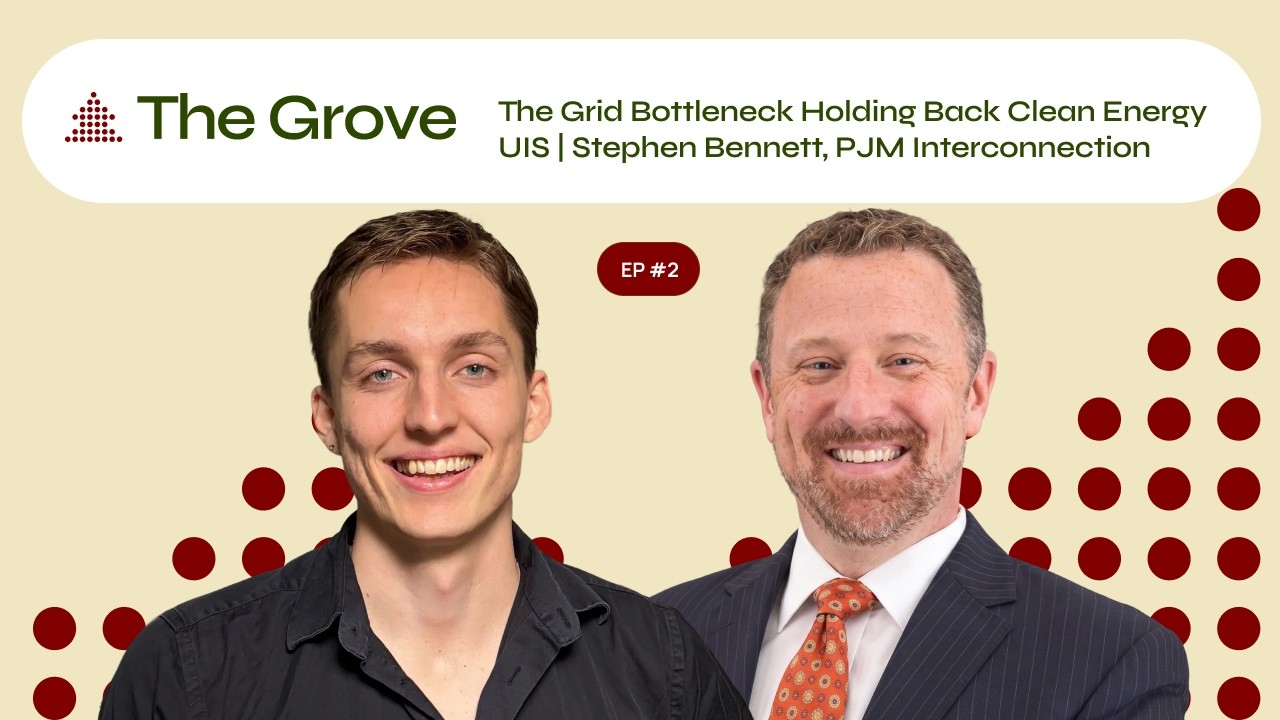
- We also spoke with Stephen Bennett Sr Manager of Regulatory Affairs @ PJM, the largest wholesale marketplace for electricity in the USA
Big focus: deploying innovation to the grid requires getting past the pilot phase. How do we do that?
Let's dive in.
In this week's issue
- What comes after the pilot
- Understanding Full Scope of Utility POV
- Note About Raising from CVCs
Was this email forwarded to you? Subscribe here 👇


What comes after the pilot
There’s a few names for the spot where many companies get stuck. Kris Gjika likes to call it the pilot hole.
The jump from a trial run to a full commercial contract is massive. Landing the first does not guarantee the second.
They are then left without a plan for the long, grueling process of converting that trial into paying customers.
Eric Rosenberger has been at PPL for fifteen years, and his team got credited as the first utility in the country to run dynamic line ratings in live operations.
The old way to rate a power line assumes the worst weather all the time, so you leave a lot of capacity sitting on the table. Sensors can measure real conditions and safely unlock more capacity when the weather is right.
The tech itself has been piloted all over the country for years, but nobody had taken it the last step into real operations.
Getting this done meant going through a number of challenges.
- Someone inside PPL had to champion it and drag every department along.
- The contracts had to be rewritten so they'd hold up against PPL's NERC compliance obligations.
- The control room operators had to be brought in and their procedures rewritten, because you can't change how a live grid runs and just hope for the best.
- Then PPL had to go to PJM and convince them to change their own systems to even accept the data.
Without Rosenberger's support, the tech might never have made it beyond the pilot.
PJM runs the market that dispatches power across parts of the Midwest and the East Coast, so their whole job is reliability.
According to Stephen, their process for connecting new projects is built for about 100 a year, and it gets thousands instead.
At the worst of it, 300 gigawatts of generation were backed up waiting to get onto a system that only runs 180 in total.
For utilities, that backlog is what turns a promising idea into another "not yet."
Understanding Full Scope of Utility POV
Nneile spent twelve years inside South African utility world before she started Thola Energy. They develop an energy margin tool that models a site's load, anything from an ice cream shop to a factory or a mine.
When the data center question came around, she focused on the bigger picture. For example, in South Africa they would tell you the grid was built for the mines and the mineral processing plants.
Though datacenters get most of the attention, these high-demand clients still dominate energy distribution.
Keeping the full suite of Utility customers can help you better position your technology and develop empathy for the relevant stakeholders inside your buying committee.
Note About Raising from CVCs
2c2i is funded through the Exelon Foundation.
The reason the fund exists, by his own telling, is capability import: Exelon is a massive established company that will never design the next great battery, so backing startups is how that expertise gets into the building.
This structure has its pros and cons.
PROS: Exelon invests outside of electricity/gas + your investment comes with a pilot.
CONS: There's no garantee of securing Exelon as a customer and there's no money for a follow-on investment.
It's one of the biggest misconceptions founders have when they enter the program. Yes, there's money and technically a pilot, but there's still hard work making that pilot go well and turning it into a customer afterward.
When approaching entities like this~~ ask who funds the fund, where the returns go, and what the team is paid to produce. Align your business goals with those incentives and the opportunity for collaboration becomes much more clear.
Applications for 2c2i's next cohort open for review in September, at https://www.exeloncorp.com/community/foundation!!!
Feedback
Have any thoughts about what you'd like to see? Let's build together
Podcast Guests
Would you or anyone you know like to be a guest on The Grove? Reply to this email to get the conversation started.
With love, Blake
See you next week!
Member discussion: