

Heard Around The Grove
By Blake Newcomer • February 16, 2026
What is "the water industry"? Fiji bottles at the grocery store? Farmers use water extensively, are they in the water industry? Aren't they the agricultural industry?
You may have seen a similar line of questions in my recap of John Robinson's episode, and the enigma is all the same.
Water seems familiar, but behind the scenes, there's a complex ecosystem of researchers, founders, investors, and innovators working to solve one of humanity's most pressing challenges: managing water.
This week's issue walks through the high level landscape I'm able to assemble as of Feburary 2026.
In this week's issue:
- The Water Value Chain
- Who's Who in Water Innovation
- Where the Money Flows
Let's dive in!
Was this email forwarded to you? Subscribe here!
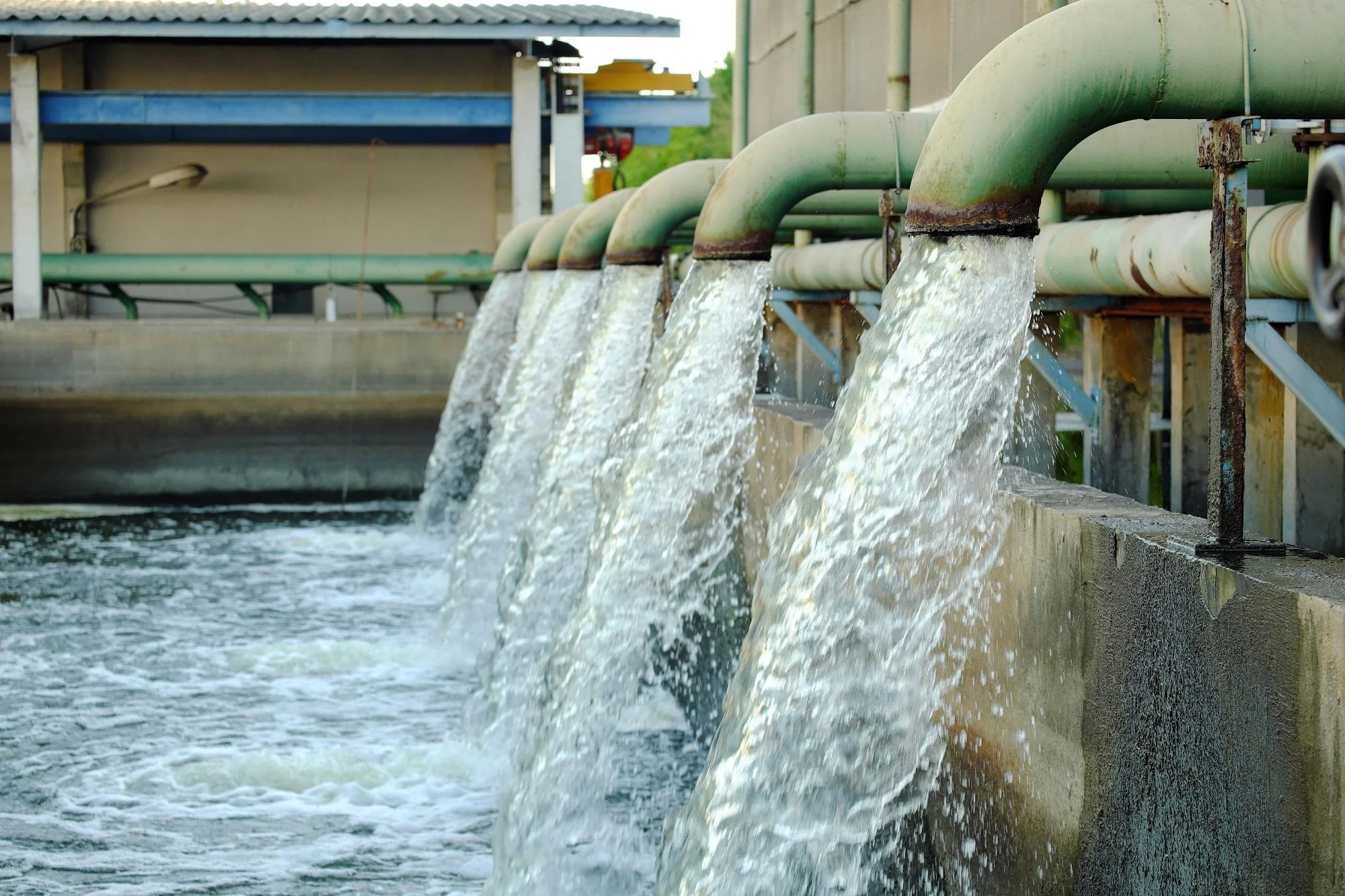
The Water Markets
Before we can understand who does what in the water industry, we need to level-set on what "the water industry" actually means. As John Robinson, founder of Mazarine Capital in London, explained to me: everyone already thinks they know water. You use it every day. You know what it tastes like, what temperature you prefer it, how it makes plants grow. This familiarity is actually water's biggest marketing problem.
"The challenge with water is that even though it's the most important thing in the world—it is life—it's hard to get people's attention unless there's a flood coming at them," John told me. "Everyone knows what it is, so they think there's nothing more to learn."
But dig deeper and you find three distinct markets, each with its own challenges and opportunities.
Market A: The Sellers Utilities that deliver water to your home or business. This is the most visible part of the industry, but also the most bureaucratic. Politically charged rate structures and aging infrastructure make this a slow-moving but essential market.
Market B: The Users This is where it gets interesting. Farmers aren't in the water business, but water is their most critical input. Power plants exist to generate electricity, but they can't operate without massive amounts of water for cooling. Data centers, semiconductor fabs, food and beverage manufacturers—they all depend on reliable, clean water to function. These industrial users face two challenges: not enough water (scarcity) or water that's contaminated (quality). They represent a massive market for innovation.
Market C: The Risk-Exposed Insurance companies pay out more claims for water damage than any other single cause globally (technically it is "Wind & Hail" that is first over "Water Damage". Hail is water, though. So we connected some dots). Banks won't finance developments in flood zones. Derivatives traders watch rainfall patterns over Iowa to predict corn futures. These players don't use water directly, but they have enormous exposure to water risk. And increasingly, they're looking for technology to help them understand and mitigate that risk.
When you see a "water startup," think about which market they're serving. The answer determines everything else like sales cycles, customer pain points, and whether venture funding makes sense.
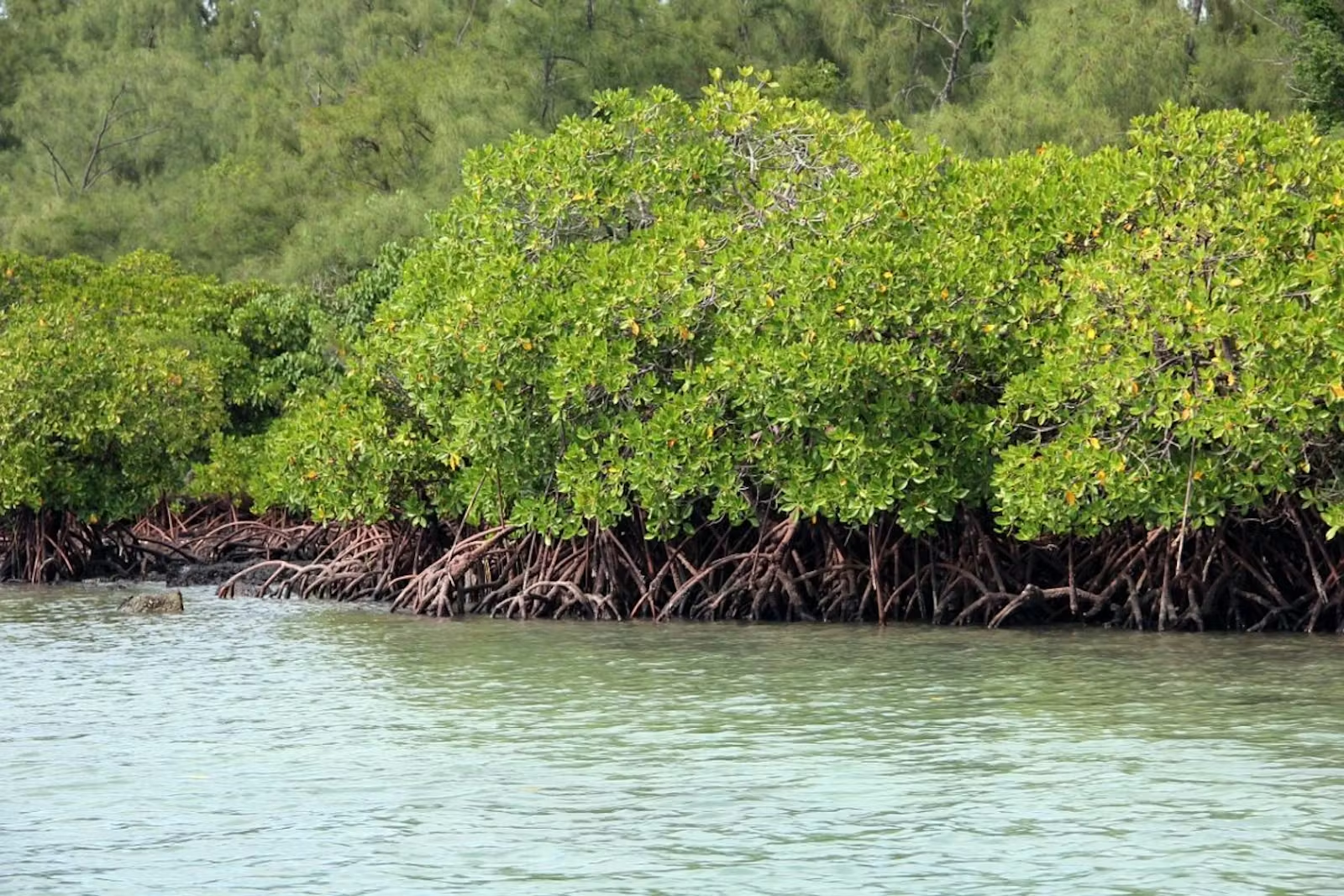
The Academic Engine: Where Innovation Begins
Dr. Elizabeth Whitney, who just completed her PhD studying dissolved organic carbon in coastal watersheds, gave us a window into academia. For four years, she collected water samples from forests, agricultural areas, and urban environments around the Chesapeake Bay. Her team used automated samplers programmed to collect water at the same 24-hour intervals across six different sites, then ran those samples through four different instruments to understand what the carbon was made of and where it came from.
"We need more research in these areas," Liz told me. "And we need better funding mechanisms to support it."
She covered two underserved points:
- Academic research runs on federal grants from agencies like NSF, NOAA, and EPA. Labs are adjusting to new political environments, but they're still strapped. Research is always pushing for new equipment and lab standards - but where is the money to fund this?
- Attracting talented people to graduate programs is hard. The pay is modest and the cultural narrative around science has shifted to something more elitist.
Research is the backbone for innovation that then drives new companies + investment opportunities. It's traditionally overlooked because it's not as sexy. Exciting to uncover more stories from this space.
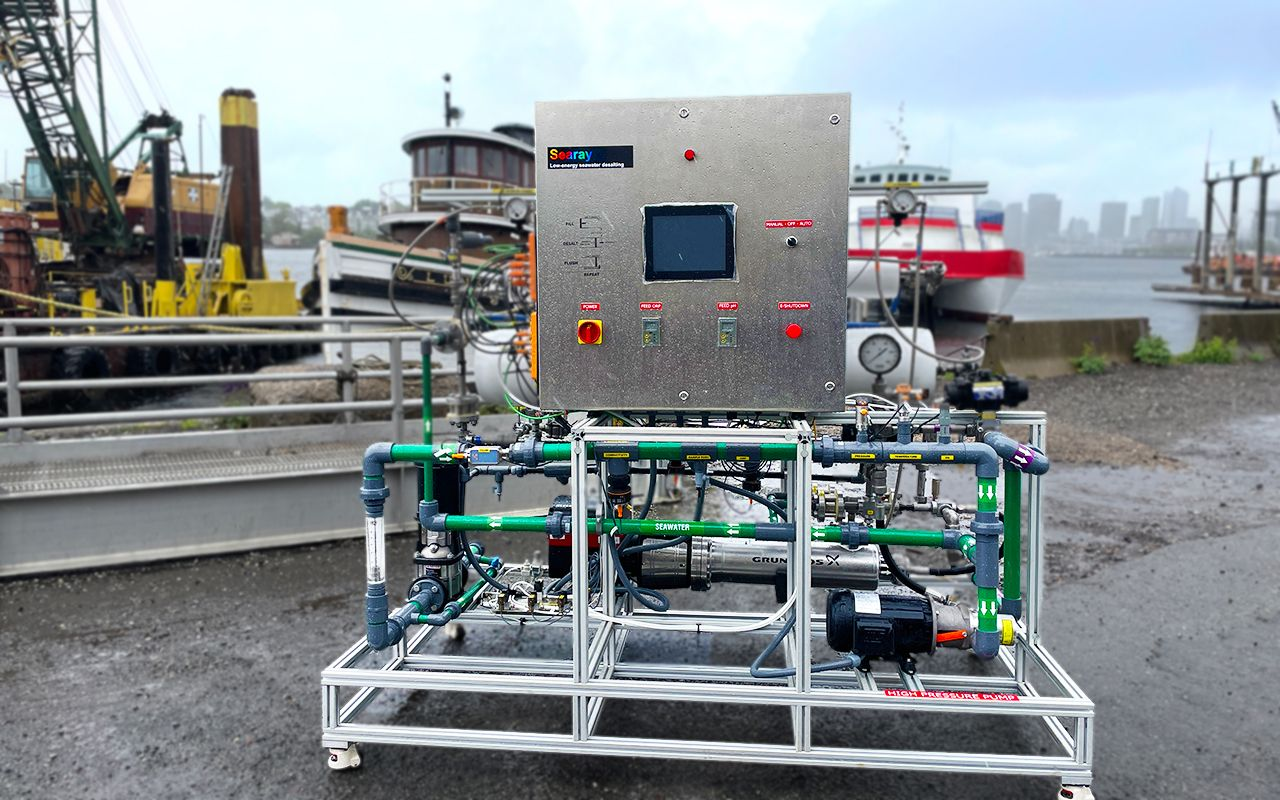
From Lab to Startup: The Translation Layer
Ideally, that research pipeline leads directly to a company. Quantum Wei knows this path well. In 2017, as an MIT graduate student, he inherited a desalination project from previous students who had modeled a more energy-efficient approach called batch desalination. His job: translate the idea from paper to prototype.
Nili Persits followed a similar trajectory. Her research focused on developing a novel sensor platform based on Raman spectroscopy—a measurement technique that's been around since 1928 but has remained prohibitively expensive and lab-bound.
Several lessons:
- Water start ups is hardtech dominant: Water is a physical things whose problems call for physical solutions.
- Long timelines: These start ups have long timelines for market realization. Quantum and Nili need to land pilots to iterate upon and validate their technology.
- Risk adverse buyers: Start ups need to fail often and iterate to find their true product market fit. Failing in a space such an water does not afford similar luxuries. Missteps are costly and have potentially sizable + negative downstream impacts. Decisions carry weight.
The Water Innovation Flywheel
Here's how these pieces work together:
Researchers like Liz advance fundamental understanding of water systems, develop new measurement techniques, and identify problems that need solving. This work gets published, presented at conferences, and sometimes catches the attention of entrepreneurs.
Founders like Quantum and Nili take promising technologies from research labs and work to commercialize them. They iterate on prototypes, talk to customers, refine their value propositions, and slowly build companies that can deliver real products to real customers.
Investors like John provide capital to promising companies, but also bring networks, expertise, and strategic guidance. They help founders think through business models, make key hires, and navigate the treacherous path from prototype to product-market fit.
Customers. Utilities, industrial users, & risk-exposed industries ultimately determine what succeeds. They're the ones with water challenges that need solving. When technology actually works for them, when it's reliable and delivers on promises, they become references that help the next company raise money and gain traction.
Future weeks will analyze this framework to understand what's actually happening in this space, what's not working, and opportunities to fix it.
Feedback
Have any thoughts about what you'd like to see? Let's build together
Roundtables
Curated, pitch-free roundtables that spark real collaboration between and your prospects. GTM solution for long and complex sales cycles.
Cohort-based event series
Small groups (10-15 people) + industry expert speakers + 4-5 targeted sessions = accelerated career development. Want to participate or present? Reply to this email.
Podcast Guests
Would you or anyone you know like to be a guest on The Grove? Reply to this email to get the conversation started.
With love, Blake
See you next week!
Member discussion: